Adverse Drug Events: Definition, Types, and How to Prevent Them
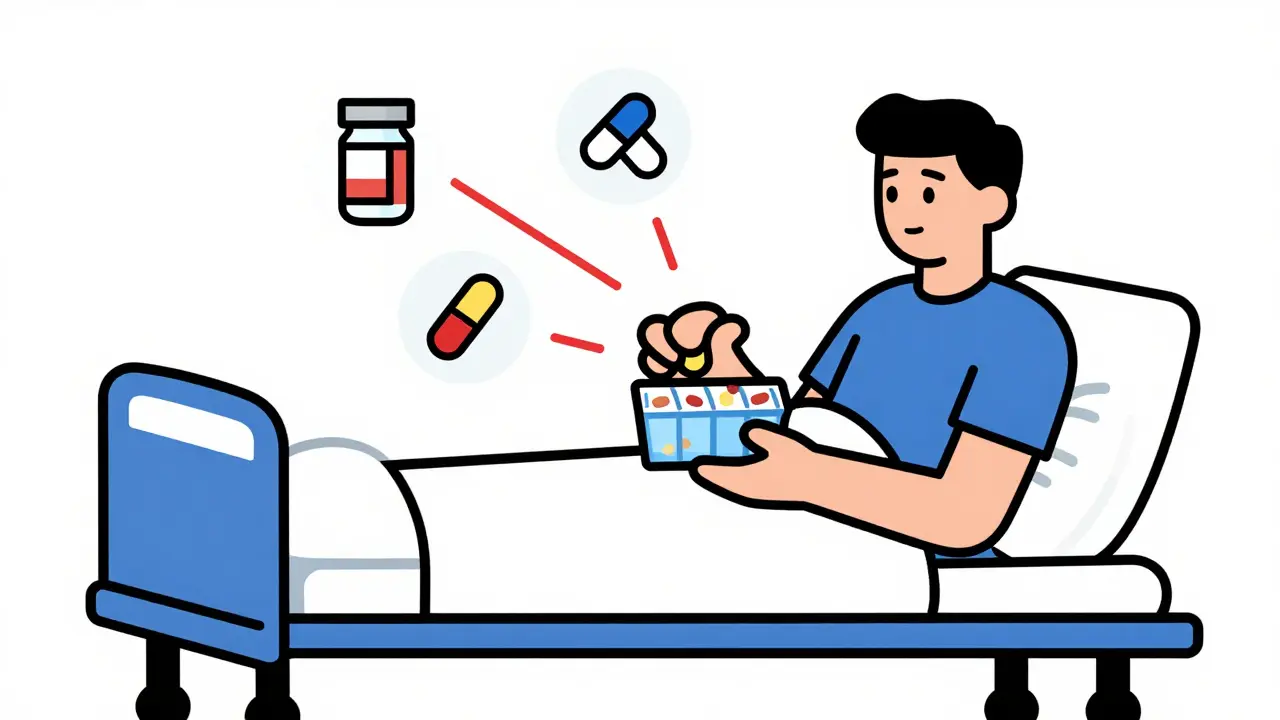
Every year, hundreds of thousands of people in the U.S. end up in the hospital because of something meant to help them: their medicine. It’s not a rare mistake. It’s not just bad luck. It’s an adverse drug event - a preventable injury caused by medication. And while doctors and pharmacists work hard to keep patients safe, these events still happen far too often. Understanding what they are, how they show up, and how to stop them isn’t just for healthcare pros. It’s something every patient, caregiver, and family member should know.
What Exactly Is an Adverse Drug Event?
An adverse drug event (ADE) isn’t just a side effect. It’s any harm that comes from taking a medicine - whether it’s because the wrong dose was given, the wrong drug was prescribed, or the body reacted badly even when everything was done right. The key word here is harm. If you took your blood pressure pill and felt dizzy, that’s not automatically an ADE. But if that dizziness led to a fall and a broken hip, now it is.
The Institute of Medicine first sounded the alarm in 2000 with its report To Err is Human, revealing that medication errors alone were killing at least 7,000 people in U.S. hospitals each year. Since then, the data has only grown more urgent. Today, ADEs cause over 1 million emergency room visits and 125,000 hospital admissions annually in the U.S. That’s more than the number of people hospitalized for heart attacks in some years.
Importantly, ADEs are different from other types of medical errors. Not every bad outcome from treatment counts as an ADE. Only those directly tied to drug exposure - whether through prescription, administration, or interaction - qualify. This distinction matters because it means we can target prevention efforts more precisely.
The Five Main Types of Adverse Drug Events
Not all ADEs look the same. They fall into five clear categories, each with its own pattern and risk profile.
- Adverse drug reactions (ADRs): These happen when your body responds badly to a drug at a normal dose. Think rashes, nausea, or liver damage. About 80% of these are Type A reactions - predictable, dose-related, and often preventable with better monitoring.
- Medication errors: These are preventable mistakes in prescribing, dispensing, or giving the drug. A nurse giving the wrong pill, a pharmacist misreading a handwritten script, or a doctor prescribing two drugs that clash - these all count.
- Drug-drug interactions: When two or more medicines interact, they can amplify side effects or cancel each other out. Warfarin, for example, interacts with over 100 other drugs. Even something as simple as taking ibuprofen with blood thinners can increase bleeding risk.
- Drug-food interactions: Certain foods change how drugs work. Grapefruit juice can make cholesterol meds too strong. Dairy can block antibiotics like tetracycline. These aren’t myths - they’re well-documented risks.
- Overdoses: These can be accidental or intentional. Opioids are the biggest concern here. In 2021, over 70,000 deaths in the U.S. involved synthetic opioids like fentanyl. Even a small increase in dose can be deadly for someone not used to the drug.
Some ADEs are delayed. Type D reactions show up months or years later - think cancer from long-term hormone therapy. Type E reactions happen after stopping a drug, like rebound high blood pressure after abruptly quitting beta-blockers. These are harder to spot, but just as dangerous.
The Top Three High-Risk Medications
Not all drugs carry the same risk. Three classes stand out as the most dangerous - and the most preventable.
Anticoagulants (like warfarin) cause 33% of all hospital-related ADEs. Why? Because they have a narrow window between helping and harming. Too little, and you get a clot. Too much, and you bleed internally. In outpatient settings, nearly 1 in 3 INR tests - the blood test that checks warfarin levels - fall outside the safe range. Warfarin alone is responsible for over 33,000 emergency visits each year.
Diabetes medications, especially insulin, trigger about 27% of ADE-related ER visits. Hypoglycemia - dangerously low blood sugar - is the main problem. Sixty percent of these cases involve people over 65. Many are on multiple meds, have poor nutrition, or don’t understand how to adjust their dose when they’re sick. A single missed meal or extra walk can send blood sugar crashing.
Opioids are the deadliest. CDC data shows 107,622 drug overdose deaths in 2021, with synthetic opioids like fentanyl involved in over two-thirds. Even when prescribed correctly, patients can develop tolerance, leading to higher doses - and higher risk. Many don’t realize that mixing opioids with sleep aids or alcohol can stop breathing.
How to Prevent Adverse Drug Events
The good news? Nearly half of all ADEs are preventable. Here’s how it’s being done - and how you can help.
1. Get a Full Medication Review
Most people take more than one medication. The more pills you take, the higher the chance of a bad interaction. A 2019 study in JAMA Internal Medicine found that having a pharmacist review your full list - including over-the-counter drugs and supplements - cuts ADE risk by 30%.
Don’t wait for your doctor to ask. Bring your own list to every appointment. Include the dose, how often you take it, and why. If you’re unsure, write “I’m not sure why I’m taking this.” Pharmacists see this all the time. They’ll flag duplicates, unnecessary drugs, or dangerous combinations.
2. Ask About Deprescribing
Just because a drug was prescribed years ago doesn’t mean you still need it. Older adults are especially at risk for drugs that cause dizziness, confusion, or falls - like anticholinergics or long-term benzodiazepines. The VA’s deprescribing protocols cut these ADEs by 40% in elderly patients.
Ask your doctor: “Is this still necessary?” “Could I try stopping it?” “Are there safer alternatives?” Don’t be afraid to question a long-standing prescription.
3. Use Technology Wisely
Electronic prescribing systems reduce errors by 48%. But not all EHRs are equal. Only 45% of U.S. hospitals have full clinical decision support - meaning their systems don’t always warn about dangerous interactions.
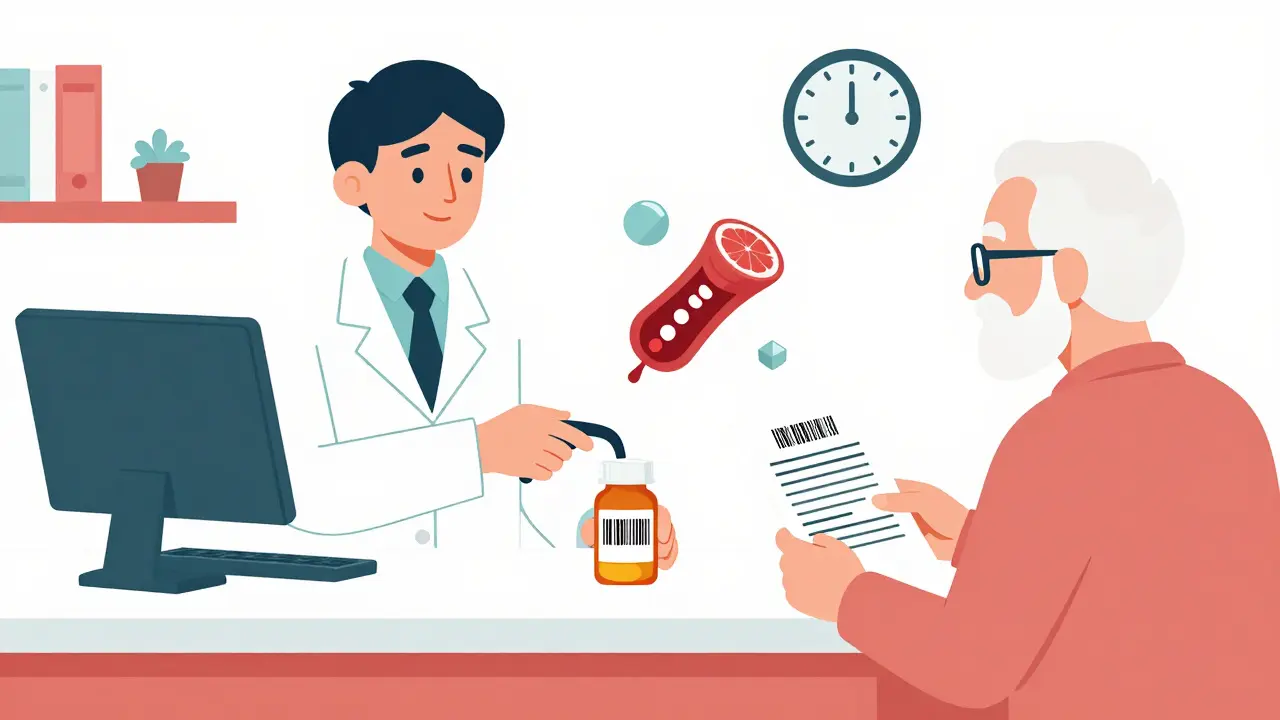
Ask your pharmacy if they use tools like Lexicomp or Micromedex. These flag high-risk combinations before the prescription is filled. If your doctor doesn’t use e-prescribing, ask why. It’s not just a convenience - it’s a safety net.
4. Get Educated - Seriously
A 2021 Cochrane review found that patients who received clear, written instructions on their meds improved adherence by 22%. That means fewer missed doses, fewer overdoses, and fewer trips to the ER.
Ask: “What does this pill do?” “What happens if I miss a dose?” “What foods or drinks should I avoid?” “What side effects mean I should call you right away?” Write the answers down. Don’t rely on memory.
5. Involve the Pharmacist
Pharmacists are medication experts - not just pill dispensers. Medication Therapy Management (MTM) services, offered by many pharmacies, involve a 20- to 30-minute session where a pharmacist reviews your entire regimen. On average, they find and fix 4.2 medication problems per patient.
Many insurance plans cover MTM at no extra cost. Ask your pharmacy if they offer it. If they don’t, ask your doctor to refer you.
What’s Changing in ADE Prevention
Things are improving - slowly. The WHO’s global campaign, Medication Without Harm, reduced harm by 18% between 2017 and 2022. Barcode systems that scan your wristband and your pill before giving it have cut errors in hospitals. The FDA’s Sentinel Initiative now monitors 190 million patient records to spot new safety signals faster.
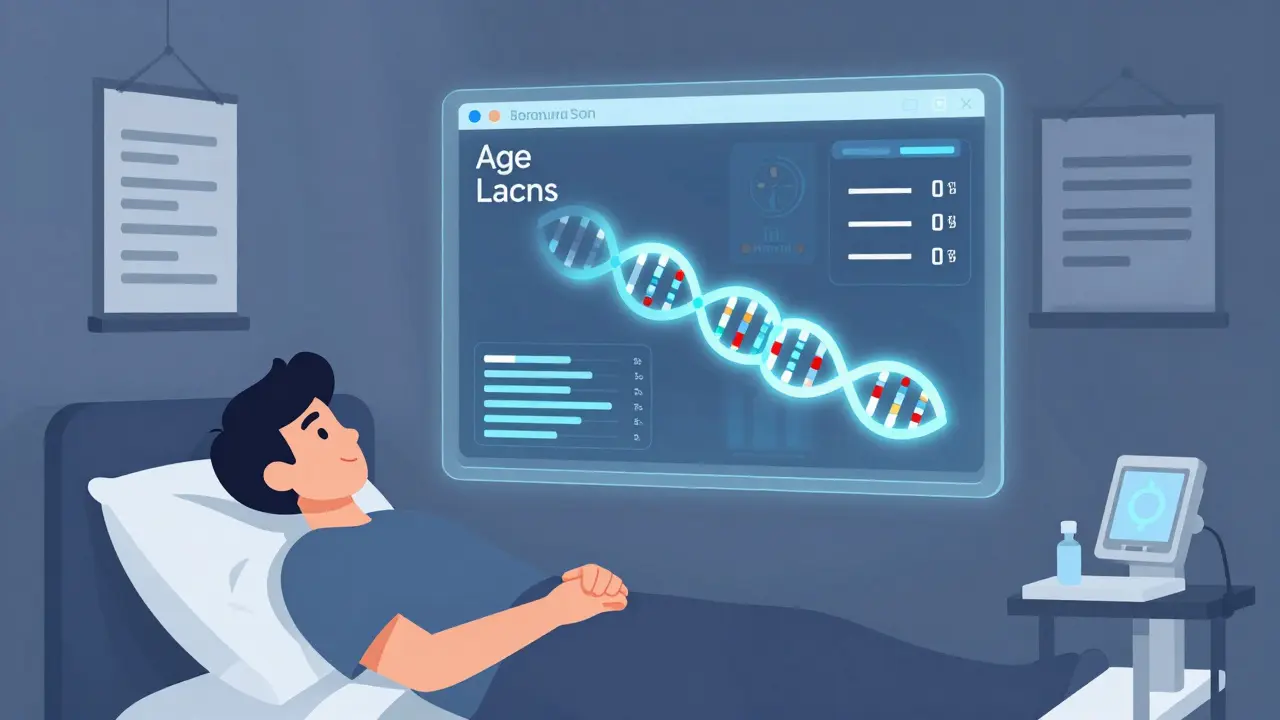
But the biggest shift coming is personalized medicine. Right now, only 5% of people get pharmacogenomic testing - which looks at your genes to see how you’ll respond to certain drugs. By 2027, that could jump to 30%. Imagine knowing before you take a blood thinner whether your body breaks it down fast or slow. That could prevent thousands of bleeds.
At Johns Hopkins, AI algorithms are now predicting individual ADE risk by analyzing 50+ factors - age, lab results, other meds, even sleep patterns. Pilot programs cut ADEs by 17%. This isn’t science fiction. It’s happening now.
Why This Matters to You
Adverse drug events aren’t just hospital statistics. They’re your mom’s fall after a new blood pressure pill. They’re your dad’s ER visit because he didn’t know grapefruit juice wasn’t safe with his statin. They’re the elderly neighbor who got confused after a new sleep aid was added.
Prevention isn’t just about better systems - it’s about asking questions. It’s about knowing your own meds. It’s about speaking up when something doesn’t feel right.
You don’t need to be a doctor to make a difference. You just need to be informed - and willing to ask, “Why?”
What’s the difference between an adverse drug reaction and an adverse drug event?
An adverse drug reaction (ADR) is a specific type of harm caused by a drug at normal doses - like a rash or liver damage. An adverse drug event (ADE) is broader: it includes ADRs, but also medication errors, overdoses, and drug interactions. So all ADRs are ADEs, but not all ADEs are ADRs.
Can over-the-counter drugs cause adverse drug events?
Yes. Many people assume OTC drugs are harmless, but that’s not true. Ibuprofen can cause stomach bleeding, especially with blood thinners. Antihistamines can cause confusion in older adults. Even vitamin K can interfere with warfarin. Always tell your doctor or pharmacist about everything you take - including supplements and herbal remedies.
How can I tell if a side effect is normal or dangerous?
Mild side effects like nausea or drowsiness are common at first and often fade. But if you experience confusion, chest pain, trouble breathing, unusual bruising, severe dizziness, or swelling in your face or throat, stop the drug and call your doctor immediately. These aren’t normal - they’re warning signs.
Why are older adults more at risk for adverse drug events?
As we age, our bodies process drugs differently. Kidneys and liver slow down, so drugs stay in the system longer. Older adults also take more medications - often five or more - which increases interaction risk. Plus, conditions like memory problems or vision loss make it harder to take pills correctly. That’s why deprescribing and regular reviews are critical.
Do electronic health records really reduce medication errors?
Yes - but only if they’re set up right. EHRs with clinical decision support can flag dangerous interactions, duplicate prescriptions, or incorrect doses. But only 45% of U.S. hospitals have fully functional systems. If your doctor doesn’t use e-prescribing or your pharmacy doesn’t check for interactions, ask why. Better tech means fewer mistakes.
What should I do if I think I’ve had an adverse drug event?
First, stop the medication if it’s safe to do so - but only if you’re sure. Then call your doctor or pharmacist immediately. Don’t wait. Bring your full medication list. If it’s an emergency - like trouble breathing or severe bleeding - go to the ER. Report the event to the FDA’s MedWatch program. Your report helps improve safety for everyone.
What Comes Next
The future of medication safety is personal. We’re moving from one-size-fits-all dosing to plans built around your genes, your lifestyle, and your history. But that future depends on you - asking questions, keeping your list updated, and speaking up when something feels off.
Medicine is powerful. But power without understanding is dangerous. Stay informed. Stay involved. And never assume your meds are harmless just because they’re prescribed.
Usha Sundar
December 24, 2025 AT 19:17My grandma took that blood pressure pill and fell in the shower. Broke her hip. They said it was 'just a side effect.' No, it wasn't. It was preventable.
Now I carry her med list in my wallet. Always.
Chris Buchanan
December 26, 2025 AT 17:44Oh wow, so the healthcare system is just a Russian roulette game where the bullets are labeled 'prescription'?
And the prize? A trip to the ER or a coffin with a pharmacy sticker on it.
Meanwhile, my pharmacist just handed me a 12-pill daily regimen like it was a bag of Skittles. Thanks, doc.
At least we got AI now to predict when it’s gonna kill me. Cool.
Also, grapefruit juice is the silent assassin of statins. Don’t be that guy.
PS: I’m not mad. I’m just disappointed. Like a puppy who got a treat… then a pill.
Wilton Holliday
December 28, 2025 AT 12:57Big props to the post - this is the kind of info everyone needs to read.
But honestly? The real hero here is the pharmacist who takes 20 minutes to sit down with you and say, 'Wait, why are you taking all these?'
I had a MTM session last year. They cut 4 meds I didn’t even know I was still on.
One was for a migraine I had in 2018. I haven’t had one since 2017.
Don’t wait for a crisis. Book that review. Your future self will high-five you.
And yes, tell your doctor you’re asking because you care - not because you’re suspicious. They appreciate it.
❤️
Raja P
December 30, 2025 AT 01:02Yeah, I get it. Meds are tricky. But in India, we don’t even have access to most of these systems.
My uncle takes 7 pills a day. No pharmacist review. No e-script. Just a handwritten note from a doctor he met once.
He doesn’t even know what half of them do.
Still, he’s alive. Maybe luck is our only clinical decision support.
Still, I’m glad someone’s talking about this. Maybe one day we’ll catch up.
Thanks for writing this.
Joseph Manuel
December 30, 2025 AT 23:03The data presented is statistically significant but methodologically flawed. The 50% preventable claim relies on retrospective chart reviews with high inter-rater variability. Furthermore, the attribution of ADEs to specific interventions lacks causal validation. The cited JAMA study does not control for polypharmacy confounders. The WHO’s 18% reduction figure is from a non-randomized cohort with selection bias. Until peer-reviewed, prospective, controlled trials validate these assertions, this remains anecdotal advocacy disguised as evidence-based medicine.
Also, pharmacogenomics is not ready for prime time. The clinical utility of CYP2C9/VKORC1 variants in warfarin dosing has been repeatedly overstated in real-world settings.
Do not confuse optimism with evidence.
Harsh Khandelwal
January 1, 2026 AT 13:20They don’t want you to know this, but Big Pharma is behind all this.
They make you take 12 pills so you keep coming back.
Warfarin? Made by the same company that sells the blood tests.
Insulin? Price went up 1000% in 20 years - coincidence? Nah.
And AI predicting your ADE? That’s just to sell you more data plans.
They even made grapefruit illegal in 3 states just to keep you confused.
My cousin took one pill and woke up in a lab with a chip in his neck.
Don’t trust the system.
Go herbal. Or just don’t take anything.
Free your body.
They’re watching.
Also, I think my phone is reading my prescriptions.
It keeps suggesting ibuprofen.
It knows.
Andy Grace
January 3, 2026 AT 09:57I’ve seen this play out with my dad in Australia. He’s 78, on 8 meds. No one ever sat down with him. Just ‘take these.’
He started feeling foggy. Thought it was aging.
Turned out one of his blood pressure pills was making his thyroid meds useless.
Pharmacist caught it. Changed one thing. He’s like a new man.
Just… talk to someone. Even if it’s awkward.
It’s worth it.
Delilah Rose
January 3, 2026 AT 19:28Okay, I just read this whole thing and I’m emotionally drained but also oddly empowered? Like, I never realized how much I’ve been passive about my meds - I just swallow them like candy and hope for the best. But now I’m thinking about how I’ve been taking that one anxiety pill for five years because my doctor said ‘it’s fine’ and I never questioned it. And what about that random supplement I started because a YouTube influencer said it ‘cleanses your liver’? And what if that’s interacting with my blood thinner? And what if my doctor doesn’t even know I take it because I didn’t think it counted? And what if I’m part of the 1 in 3 people whose INR is out of range and no one told me? And what if my mom’s fall was preventable and I didn’t even know how to ask the right questions? And what if we’re all just one missed dose away from a tragedy that could’ve been avoided if we just… talked? Like, really talked? Not just to doctors, but to each other? Like, at family dinners? Like, over coffee? Like, in the pharmacy line? What if we just started saying, ‘Wait, why am I taking this again?’ And what if that simple question becomes the most powerful tool we have? And what if… I start tomorrow?
…I’m gonna make a list. Right now.
And I’m gonna take it to my pharmacist.
And I’m gonna cry.
And then I’m gonna feel better.
Thank you for this. I needed this.
Spencer Garcia
January 4, 2026 AT 13:12Deprescribing is the quiet revolution.
Ask ‘Is this still needed?’
It’s not disrespect - it’s responsibility.
Do it.
Abby Polhill
January 5, 2026 AT 17:05Pharmacogenomics is the next frontier, but we’re still in the alpha phase. The real bottleneck isn’t tech - it’s reimbursement. No one’s paying for preemptive CYP450 panels. Insurance sees it as ‘experimental’ when it’s just… smart. We’re doing precision medicine backwards. We treat first, then test. We should test first, then treat.
Also, ‘Medication Without Harm’ is a nice slogan, but until we fix the 55% of hospitals without clinical decision support, it’s just branding.
And yes - grapefruit juice is the OG drug interaction. Respect it.