How to Communicate Past Drug Reactions Before Surgery: A Clear Guide for Patients

When you’re scheduled for surgery, your body is about to be put under stress - and the last thing you need is a hidden drug reaction turning a routine procedure into a life-threatening event. Drug reactions before surgery are one of the most preventable causes of surgical complications, yet they still happen because patients don’t know how to communicate them clearly - or because the system doesn’t make it easy.
It’s not just about saying, “I’m allergic to penicillin.” You need to tell the full story: what happened, when, how bad it was, and what helped. A vague answer can lead to the wrong drug being given - and that can mean anaphylaxis, cardiac arrest, or even death. The good news? With the right approach, you can make sure your history is heard, documented, and acted on.
Start Early - Don’t Wait Until the Day of Surgery
Most hospitals require you to complete a pre-op questionnaire weeks before your procedure. This isn’t just paperwork - it’s your first line of defense. If you wait until the morning of surgery to mention that you broke out in hives after a dental shot 12 years ago, it might get lost in the rush. Start gathering your info as soon as you know you’re having surgery.
Make a list of every medication you’ve ever taken - prescription, over-the-counter, vitamins, supplements, even herbal teas. Don’t skip anything. Some reactions happen with things you think are harmless, like ibuprofen or echinacea. Write down the brand names, generic names, and the reason you took them. If you can’t remember, check old pill bottles or ask your pharmacy for a history.
Know the Difference Between a Side Effect and a True Allergy
A lot of people say they’re “allergic” to a drug when they really just had a side effect. Nausea after codeine? That’s common - not an allergy. A rash after amoxicillin? That could be. Anaphylaxis - swelling, trouble breathing, dropping blood pressure - that’s a true allergic reaction.
Doctors need to know the difference. An allergic reaction involves your immune system and can be deadly. A side effect is unpleasant but not dangerous in the same way. If you had vomiting after morphine, say so - but don’t call it an allergy unless you had swelling, hives, or passed out. Mislabeling can lead to doctors avoiding drugs you could safely use later, or worse, giving you something risky because they think you’re not allergic when you are.
Document the Details - It’s Not Optional
When you describe a past reaction, give specifics:
- Drug name: Was it morphine? Propofol? Vancomycin? Generic or brand?
- Timing: Did symptoms start 2 minutes after the IV, or 2 hours later?
- Symptoms: Hives? Swollen tongue? Low blood pressure? Wheezing? Vomiting?
- Treatment: Did you need epinephrine? Steroids? Did you go to the ER?
- Outcome: Did you recover fully? Were you hospitalized?
One patient in a Mayo Clinic case study had a reaction to succinylcholine in 2015 - muscle rigidity and high fever. She didn’t remember the drug name, but she remembered the ER doctor saying it was “a rare muscle reaction.” When she told the anesthesiologist that exact phrase, they immediately recognized it and avoided the drug. Details save lives.
Use a Written Record - Bring It With You
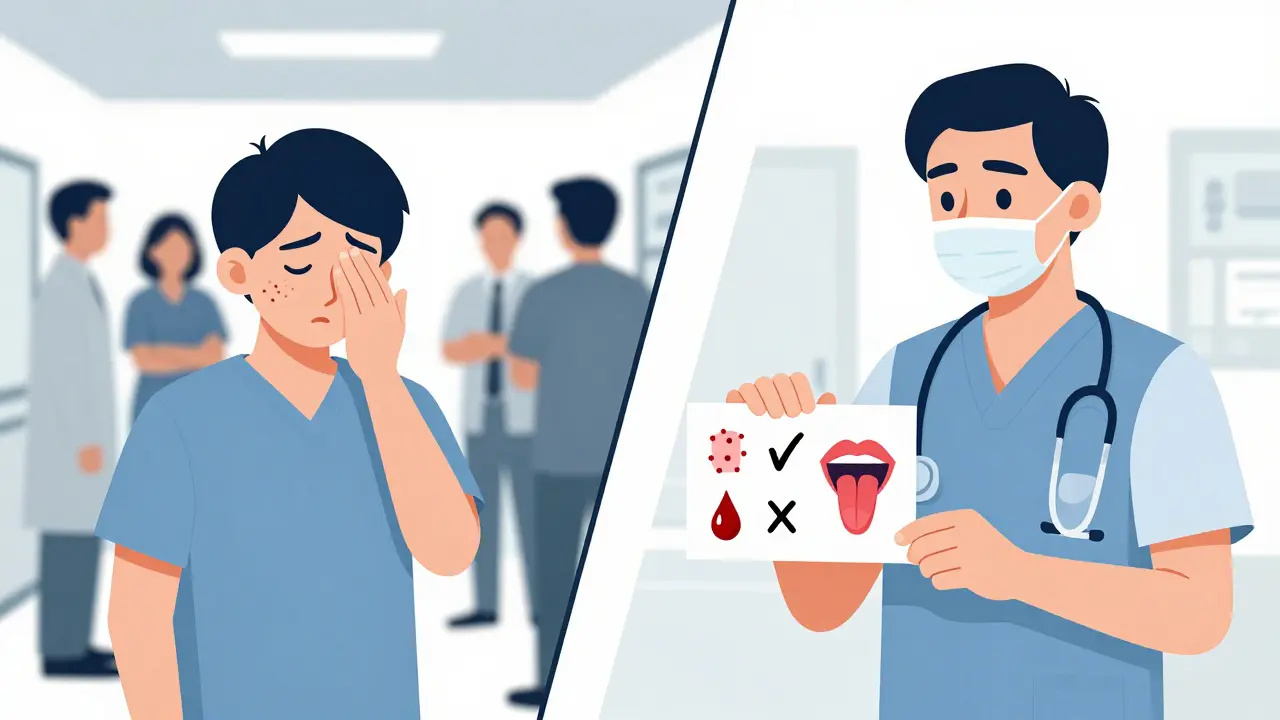
Memory fails. Stress clouds it. Even if you think you’ll remember everything, bring a written note. You can make a simple card: one side lists your allergies, the other lists your meds. Some allergists give patients these cards after a reaction. If you don’t have one, make your own.
Include:
- Drug name and reaction
- Date of reaction
- Where it happened (hospital name, doctor’s name if you know it)
- Any follow-up tests or referrals
Bring this card to every pre-op appointment. Hand it to the nurse, the anesthesiologist, and the surgeon. Say, “This is important - please make sure it’s in my chart.” Don’t assume they’ll find it in the system.
Ask Questions - Don’t Be Quiet
You have the right to know what drugs will be used. If you’re told, “We’ll use this anesthetic,” ask: “Is this the same one that caused my reaction before?” If you’re unsure, say: “I had a bad reaction to something similar. Can we check?”
Some drugs have similar names. If you reacted to rocuronium, you might be warned about vecuronium - but not always. Ask for alternatives. Anesthesiologists have multiple options. If you’re nervous, ask if you can meet with the anesthesiologist ahead of time. Most hospitals allow it.
What If You’re Not Sure What Caused It?
Many people can’t remember the exact drug. Maybe you had a reaction in the ER and were given five meds at once. That’s common. In those cases, describe the reaction as clearly as you can. Say: “I had a rash and swelling after a procedure in 2020. I don’t know which drug caused it, but I’ve been told to avoid all neuromuscular blockers.”
Doctors can still work around that. They’ll avoid entire classes of drugs if the reaction was severe. If you’re unsure, don’t guess. Say, “I don’t know the name, but I know what happened.” That’s enough to trigger caution.
Pharmacists Are Your Allies - Talk to Them
Most people don’t realize pharmacists are part of the pre-op team. In hospitals with strong safety protocols, a pharmacist reviews your medication list 24-48 hours before surgery. They check for interactions, allergies, and duplicate drugs. If you’ve had a reaction, make sure they know.
At your pre-op visit, ask: “Has my medication history been reviewed by a pharmacist?” If they say no, ask why. In 2022, hospitals using pharmacist-led screening caught 92% of drug allergy risks - compared to 78% without it.
What About Herbal Supplements and Vitamins?
Yes, these matter. Garlic, ginkgo, and ginseng can thin your blood and increase bleeding risk. St. John’s Wort can interfere with anesthesia. Even vitamin E in high doses can cause problems. List everything - even if you think it’s “natural” or “safe.”
One patient took fish oil daily and didn’t mention it. During surgery, she bled heavily. Turns out, her surgeon didn’t know she was on it. She needed a blood transfusion. That’s preventable.
What If You’ve Had a Reaction and Haven’t Seen an Allergist?
If you’ve had a serious reaction - especially one involving breathing or swelling - you should be referred to an allergist within 4-8 weeks. They can do skin tests or blood tests to confirm what caused it. Until then, assume you’re allergic to that drug and anything similar.
Don’t wait. If you need another surgery before seeing an allergist, tell the team: “I haven’t been tested yet, but I had a reaction. Please treat me as if I’m allergic.”
Red Flags: When Your History Was Ignored
Unfortunately, mistakes happen. Here’s what to watch for:
- They ask you about allergies but don’t write anything down.
- You’re rushed - the nurse says, “Just sign here” without asking questions.
- You’re told, “We’ve never had a problem with that drug.”
- They don’t check your chart before giving you a drug.
If any of this happens, speak up. Say: “I’ve had a serious reaction before. I need this documented and confirmed before you give me anything.”
Final Tip: Get a Copy of Your Records
After your surgery, request a copy of your medical records. Look for the pre-op allergy section. Did they get it right? If not, contact the hospital’s patient safety office. Your feedback helps them improve.
Every year, thousands of patients have reactions during surgery - and most of them were preventable. You’re not being difficult by asking questions. You’re protecting your life.
Write it down. Bring it with you. Say it twice. If you’ve had a drug reaction before, your history is not just medical info - it’s your safety net. Make sure everyone sees it.
What if I don’t remember the name of the drug I reacted to?
You don’t need to know the exact drug name. Describe the reaction - what happened, how bad it was, when it occurred, and what treatment you received. Doctors can still avoid entire classes of drugs based on your description. For example, if you had swelling and trouble breathing after a muscle relaxant, they’ll avoid all neuromuscular blocking agents until you’re tested.
Can I be allergic to a drug I’ve taken before without problems?
Yes. Allergic reactions can develop over time. You might have taken penicillin five times without issue, but your immune system can suddenly start reacting to it. That’s why every exposure matters - even past ones without problems. Always report any reaction, even if it seemed minor.
Should I wear a medical alert bracelet for drug allergies?
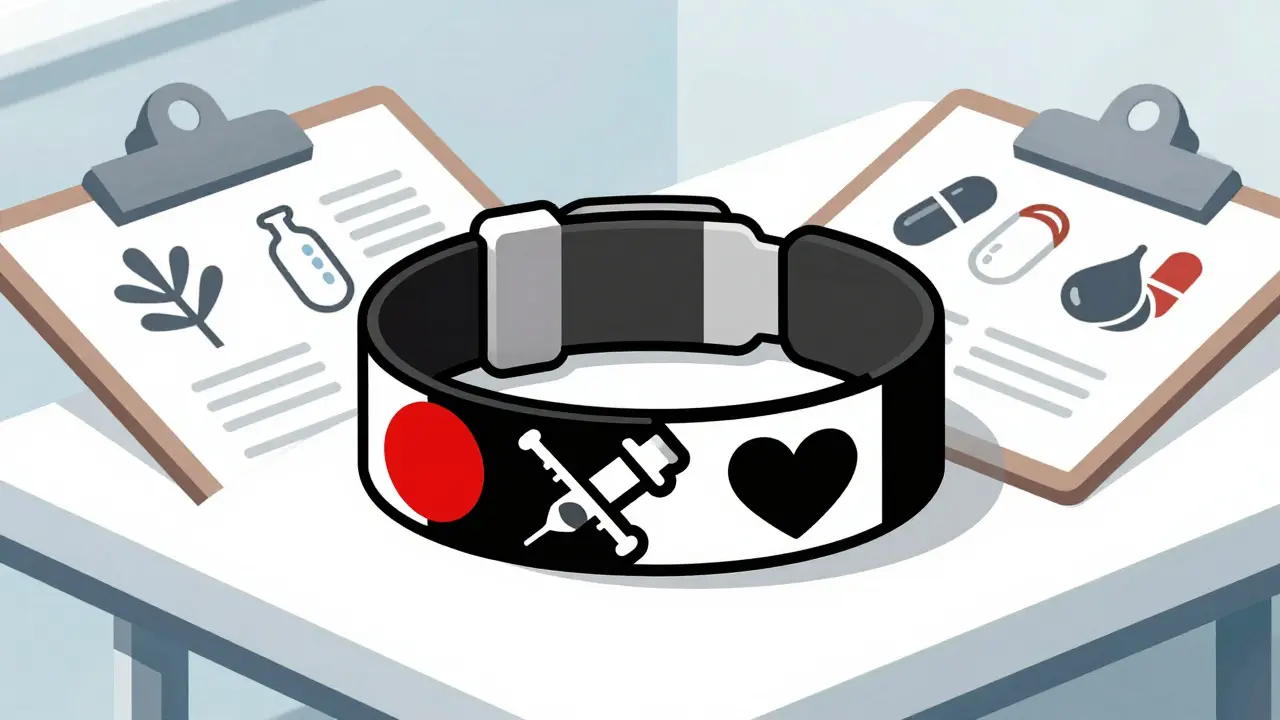
If you’ve had a severe reaction - especially one requiring epinephrine or hospitalization - yes. A medical alert bracelet ensures that even if you’re unconscious or unable to speak, first responders and surgical teams know to avoid certain drugs. It’s especially important if you’re allergic to common anesthetics like succinylcholine, rocuronium, or latex.
Do I need to tell my dentist about my surgical drug reactions?
Yes. Many drugs used in dentistry - like lidocaine, epinephrine in local anesthetics, or antibiotics like amoxicillin - can trigger reactions too. Your dentist should know your full history, especially if you’ve had reactions to anesthetics or antibiotics. Always update all your providers, not just your surgeon.
What if I’m having emergency surgery and haven’t had time to share my history?
In emergencies, doctors will use the safest drugs possible based on what they know. If you have a medical alert bracelet or card, show it. If you’re unconscious, they’ll assume you have allergies until proven otherwise. Still, the risk is higher. That’s why it’s critical to document your history ahead of time - even if you’re healthy now, you never know when you’ll need emergency care.
Wendy Claughton
January 16, 2026 AT 18:12I’ve been through two surgeries and honestly? I didn’t realize how much detail mattered until I almost got the wrong drug. I thought saying ‘allergic to penicillin’ was enough… until the anesthesiologist asked if I’d ever had swelling after a dental shot. I hadn’t even connected it. Now I carry a card. Always. 🙏💔
Stacey Marsengill
January 17, 2026 AT 01:37Ugh. This whole system is rigged. They don’t care until you’re on the table screaming. I had a near-death reaction to propofol in 2019, and the ER chart said ‘possible allergy’-but the surgeon’s office just skipped it. I had to scream at the nurse to even get it noted. Now I text my history to every provider before I even walk in. No more ‘oops.’
Aysha Siera
January 17, 2026 AT 06:47They’re hiding something. Why do they never test you before giving you drugs? Why is it always ‘trust us’? I’ve seen the paperwork. It’s all scanned, never read. The system is designed to fail you. They want you unconscious. They don’t want you awake enough to ask questions. They’re afraid of liability. And you? You’re just a statistic.
rachel bellet
January 17, 2026 AT 10:49There’s a critical cognitive bias here: patients conflate side effects with immune-mediated hypersensitivity. This is not pedantry-it’s clinical precision. Misclassification leads to unnecessary avoidance of beta-lactams, which increases utilization of broader-spectrum alternatives, thereby driving antimicrobial resistance. Your ‘allergy’ to nausea isn’t an allergy. It’s a pharmacokinetic quirk. Stop conflating terms.
Pat Dean
January 17, 2026 AT 11:29Why do we even have to do this? In America, you should be able to walk into a hospital and not have to prove you’re not dying. I’ve had three surgeries. Three times I had to beg them to look at my file. Meanwhile, they’re giving people opioids like candy. This isn’t safety-it’s negligence wrapped in paperwork.
Selina Warren
January 18, 2026 AT 08:26Listen. You think this is about drugs? It’s about power. The system wants you silent. They don’t want you asking questions. They don’t want you bringing notes. They want you nodding and saying ‘yes, doctor.’ But you? You’re the only one who knows your body. So write it down. Say it twice. Hand them the card. Don’t let them erase your voice. You’re not being difficult-you’re being alive.
Robert Davis
January 19, 2026 AT 18:24Interesting. I’ve read every word. And I’m still not convinced this is necessary. I’ve taken 17 different anesthetics over the years. Never had a reaction. Why should I treat every past side effect like a death sentence? It’s anxiety masquerading as precaution. Maybe we’re over-medicalizing normal human variation.
Joni O
January 20, 2026 AT 08:21OMG YES. I forgot to mention my ginkgo supplement before my knee surgery. I bled for 48 hours straight. My surgeon said, 'We had no idea.' I cried in the parking lot. Now I have a sticky note on my fridge with all my meds and reactions. I even showed my barista. No joke. Bring the card. Say it loud. Don't be shy. You're worth it. 💪❤️
Max Sinclair
January 21, 2026 AT 04:15This guide is excellent. Clear, precise, and grounded in real clinical experience. I’m a nurse in a busy OR, and I’ve seen too many near-misses because patients assumed ‘it was just a rash’ or ‘it was years ago.’ The more detail you provide, the safer we all are. Thank you for writing this. Please share it with everyone you know.
christian Espinola
January 21, 2026 AT 10:14Let’s be real. This is just fear-mongering dressed as advice. If you’re allergic to everything, you’ll die of something else. Most drug reactions are overblown. I’ve had five surgeries. Never needed an allergist. The real danger is overtesting, overdiagnosing, and turning healthy people into medical zombies.
Robert Cassidy
January 23, 2026 AT 02:47They don’t want you to know this: hospitals profit from complications. More surgeries. More drugs. More tests. If you’re safe, they lose money. That’s why they make you jump through hoops. Why do you think they don’t train nurses to ask the right questions? Because if you asked, you’d survive. And they’d lose their revenue stream. Wake up.
Andrew Qu
January 24, 2026 AT 07:24One thing this post doesn’t mention: always ask if your chart has been flagged in the EHR system. I once had a patient who had a documented reaction, but it was buried under a different name. We caught it because we ran a manual cross-check. Hospitals rely too much on auto-populated fields. Always verify. Don’t assume.
Danny Gray
January 25, 2026 AT 08:29Wait-so you’re telling me I need to remember every pill I took since 2008? What if I don’t even know what I took? What if I was in a coma? What if I was a teenager and my mom gave me something? This isn’t safety-it’s guilt-tripping. You’re making patients feel responsible for a broken system. That’s not helpful. That’s cruel.
Tyler Myers
January 26, 2026 AT 16:13Why are we letting pharmaceutical companies control this? They fund the training. They write the guidelines. They own the EHR systems. You think they want you to know what’s really in the IV? No. They want you docile. They want you to say ‘yes’ to everything. This post is just a distraction. The real enemy is profit. Not your memory.
Kristin Dailey
January 28, 2026 AT 07:45Bring the card. Say it twice. Done.