How to Read FDA Safety Communications for Your Medications: A Patient’s Guide
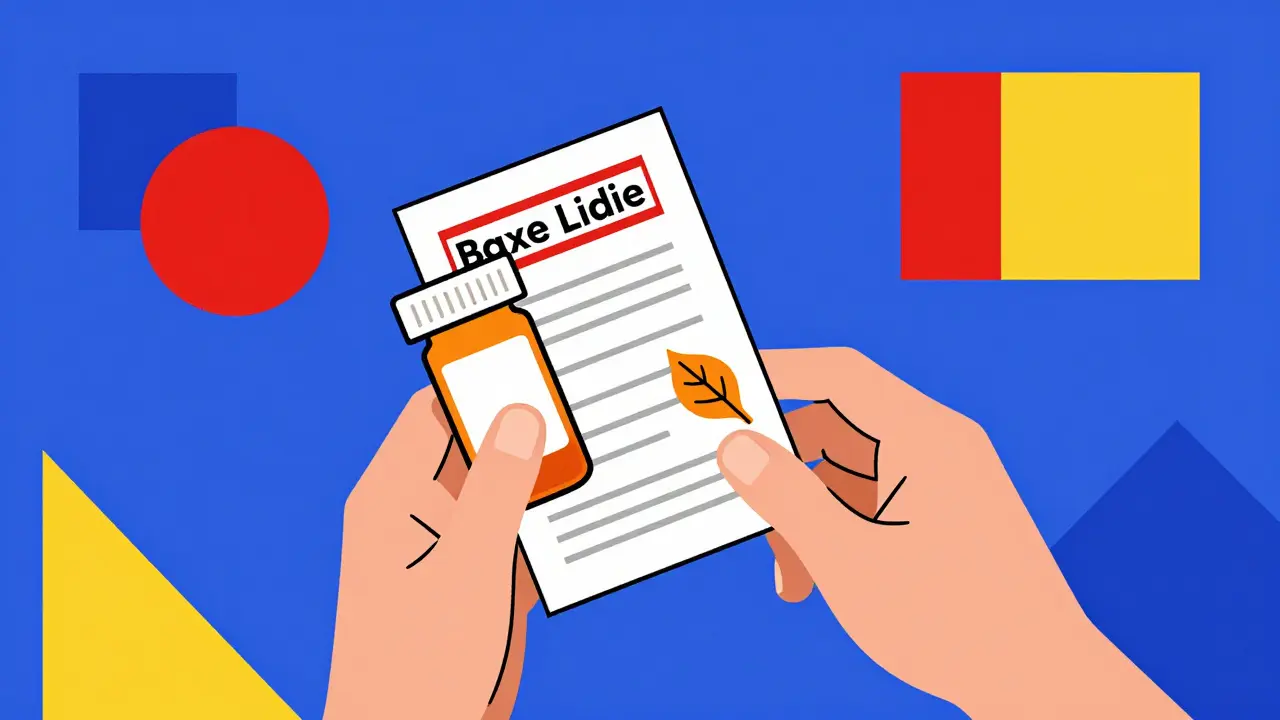
Imagine you’ve been taking the same blood pressure medication for three years. It works, you tolerate it well, and you never think twice about it. Then, one morning, your pharmacist hands you a new bottle with a small orange leaflet tucked inside. Or maybe you see a news headline screaming that your daily pill has a "new risk." Suddenly, you’re worried. Is this serious? Should you stop taking it? What exactly changed?
This anxiety is common, but it often stems from a misunderstanding of how FDA Safety Communications are structured and intended. These official notices from the U.S. Food and Drug Administration aren’t just random warnings; they are precise updates based on new data. Knowing how to read them can save you from unnecessary panic-or help you spot a genuine red flag that requires immediate action.
What Are FDA Safety Communications?
When a drug is first approved, the FDA relies on clinical trials involving thousands of people. But those trials don’t catch every side effect, especially rare ones or those that appear after long-term use. This is where post-market surveillance comes in. Since the passage of the Food and Drug Administration Amendments Act (FDAAA) in 2007, the agency has had stronger powers to monitor drugs once they hit the market.
FDA Drug Safety Communications are the primary tool for sharing this new information. They aren't press releases designed to scare you. Instead, they are regulatory documents that update the official prescribing information-the label that doctors and pharmacists must follow. According to FDA records, there are roughly 50 to 70 major communications issued each year. Some affect millions of patients, while others target niche medications used by only a few specialists.
It’s crucial to distinguish these from other types of alerts. You might also hear about Drug Recalls, which usually mean a specific batch of medicine was contaminated or mislabeled and should be returned immediately. A Safety Communication, however, rarely means "stop taking your drug now." More often, it means "take it differently" or "watch for this specific symptom." Confusing the two leads to either dangerous non-adherence or ignored risks.
Decoding the Structure: Where to Look First
If you pick up an FDA Safety Communication, it can look like a wall of legal text. Don’t let that intimidate you. The document follows a strict template designed to highlight changes clearly. Here is how to navigate it efficiently:
- The Headline Section: Every communication starts with a clear statement: "What Safety Concern Is FDA Announcing?" This section summarizes the issue in plain language. For example, a recent communication regarding opioid medications explicitly stated that labels were being updated to prevent rapid discontinuation, which causes severe withdrawal symptoms.
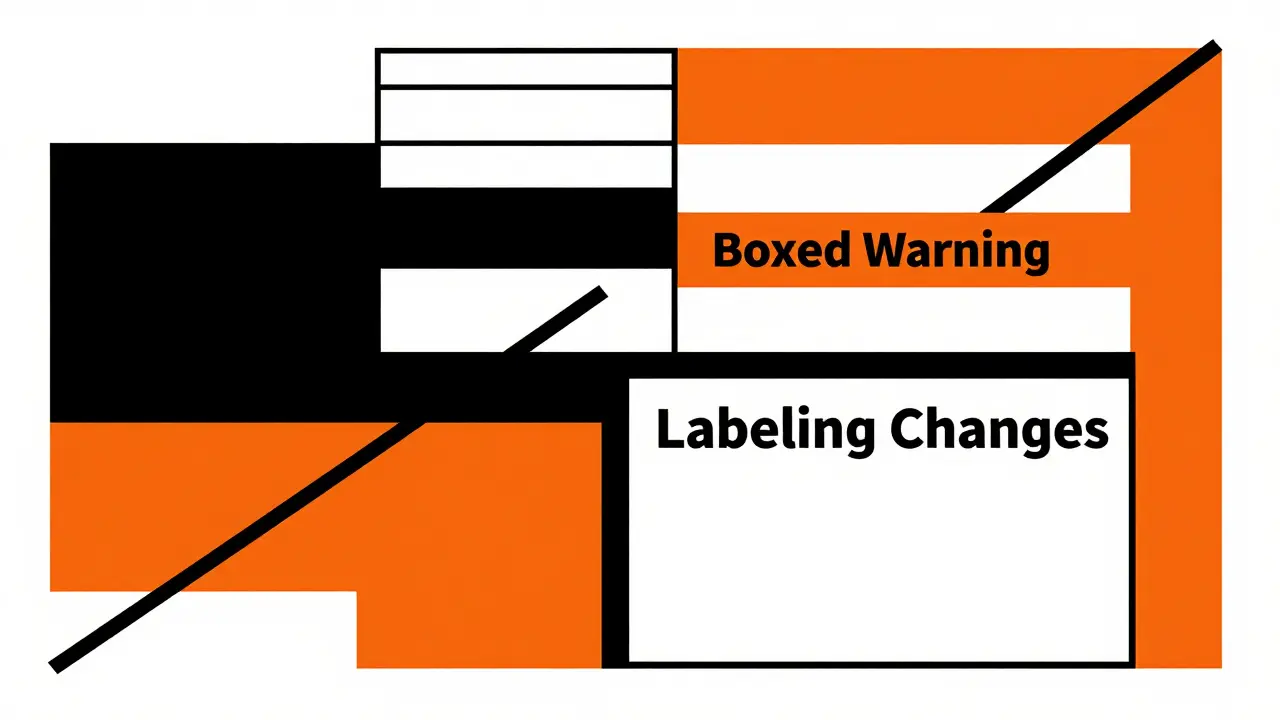
- Boxed Warnings: If the communication mentions a "Black Box Warning" or "Boxed Warning," pay close attention. This is the strongest warning the FDA can issue. It appears at the top of the prescription label and indicates a life-threatening risk. Changes here are significant and require immediate discussion with your doctor.
- Labeling Changes: The core of the document shows exactly what changed in the drug’s instructions. The FDA uses bold underlined text for additions and strikethrough text for deletions. This "before and after" format helps you see precisely what new advice is being added.
- For Patients vs. For Healthcare Professionals: Most communications have two distinct sections. The "For Patients" part gives practical advice, such as "Talk to your doctor about the risks" or "Read the Medication Guide." The "For Health Care Professionals" section contains clinical data, dosage adjustments, and monitoring protocols.
By focusing on these four areas, you can extract the vital information without getting lost in statistical jargon.
Understanding the Severity: Not All Alerts Are Equal
One of the biggest mistakes people make is treating every safety communication as a crisis. In reality, the FDA categorizes these updates by urgency and impact. Understanding this hierarchy helps you prioritize your response.
| Communication Type | Severity Level | Typical Action Required |
|---|---|---|
| Boxed Warning Update | Critical | Immediate consultation with prescriber; potential switch to alternative therapy. |
| Contraindications Change | High | Verify if you fall into the newly excluded patient group (e.g., specific kidney conditions). |
| Warnings and Precautions | Moderate | Awareness of new side effects; no immediate change in dosing unless advised. |
| Dosage and Administration | Variable | Adjustment of dose timing or amount based on new metabolic data. |
| General Labeling Clarification | Low | No action needed; informational update for clarity. |
For instance, a change in the "Dosage and Administration" section might simply clarify how to take a pill with food to reduce nausea. That’s important, but it’s not a reason to panic. On the other hand, a new "Contraindication" means the drug is now officially unsafe for certain groups of people. If you belong to that group, you need to act fast.
The Gap Between Signal and Action
You might wonder why some risks seem obvious in hindsight. Experts like Dr. Donald Light from the Center for Study of Drug Development have pointed out that there is often a lag between when a safety signal first appears and when the FDA issues a formal communication. In his 2020 analysis, he found a median delay of 4.2 years for high-risk medications.
This doesn’t mean the FDA is negligent. It reflects the scientific process. A single report of a heart attack in a patient taking a new arthritis drug isn’t enough to change a label. The FDA needs robust evidence-often from large-scale studies or aggregated data-to prove causation rather than coincidence. This is why tools like the Sentinel Initiative were created. This system allows the FDA to query millions of electronic health records instantly to find patterns that individual doctors might miss.
As a patient, understanding this timeline helps manage expectations. If you experience a side effect, report it immediately via the FAERS (FDA Adverse Event Reporting System). Your report could be the piece of data that triggers a future safety communication for someone else.
Practical Steps for Patients and Providers
So, what do you actually do with this information? Here is a actionable checklist for navigating these communications effectively.
- Subscribe to Alerts: You don’t have to hunt for these documents. The FDA offers free email subscriptions on their Drug Safety and Availability webpage. You can filter alerts by specific drug classes (like antidepressants or antibiotics) so you only get relevant updates.
- Check the Medication Guide: Many safety communications reference a "Medication Guide." This is a separate, patient-friendly document mandated by law to be written at an 8th-grade reading level. If a communication feels too technical, look for the linked Medication Guide for a clearer summary.
- Talk to Your Pharmacist: Pharmacists are trained to interpret these changes quickly. A 2023 survey showed that 78% of pharmacists found the new "before and after" labeling format much easier to implement. Ask your pharmacist: "Does this new alert apply to my specific situation?"
- Don’t Stop Abruptly: Unless the communication explicitly says "STOP using this medication immediately" (which is rare), do not discontinue your treatment on your own. Sudden cessation can cause rebound effects or withdrawal, as seen in recent opioid safety guidelines. Always consult your prescriber first.
For healthcare providers, the challenge is different. A 2021 study in the Journal of the American Medical Informatics Association found that only 37% of primary care physicians consistently read full Drug Safety Communications due to time constraints. However, 89% valued the information when it applied to their patients. The solution? Prioritize the "Highlights of Prescribing Information" section, which summarizes critical changes, and integrate FDA alerts into your electronic health record workflows where possible.
Looking Ahead: Better Clarity for Everyone
The landscape of drug safety communication is evolving. Under the 2022 Food and Drug Omnibus Reform Act (FDORA), the FDA is required to issue communications within 30 days of finalizing significant safety actions, down from 60 days. Speed matters.
Moreover, the agency is working on improving health literacy. Pilots launched in mid-2023 introduced plain-language summaries and visual aids for high-impact communications. The goal is to increase patient comprehension rates from 54% to 75% by 2027. While we wait for these improvements to become standard, empowering yourself with the knowledge to read these documents is the best defense.
Safety communications are not threats; they are updates. They reflect the dynamic nature of medicine, where knowledge grows over time. By learning to read them, you move from being a passive recipient of medical advice to an active partner in your own health care.
Should I stop taking my medication if I see an FDA Safety Communication?
In most cases, no. FDA Safety Communications typically update labeling information, such as adding new warnings or adjusting dosage instructions, rather than recalling the drug entirely. Stopping medication abruptly can be dangerous. Always consult your healthcare provider before making any changes to your regimen, unless the communication explicitly states "Stop use immediately."
Where can I find FDA Safety Communications for specific drugs?
You can find all current and archived Drug Safety Communications on the FDA's official website under the "Drug Safety and Availability" section. Additionally, you can sign up for email alerts filtered by therapeutic area or specific drug names to receive notifications directly.
What is the difference between a Drug Alert and a Drug Safety Communication?
A Drug Safety Communication is a comprehensive update that often includes changes to the official prescribing label, detailed clinical recommendations, and patient guidance. A Drug Alert is typically shorter and more urgent, focusing on immediate issues like contamination, counterfeit products, or acute shortages. Both are serious, but Safety Communications involve deeper regulatory changes.
Why does it take so long for the FDA to issue a safety warning?
The FDA requires robust scientific evidence to prove that a side effect is caused by the drug and not by other factors. This involves analyzing data from clinical trials, post-market reports, and large databases like the Sentinel Initiative. While this process ensures accuracy, it can result in a delay, sometimes several years, between the first safety signal and the final communication.
How can I report a side effect to the FDA?
You can report adverse events through the FDA Adverse Event Reporting System (FAERS). Reports can be submitted online, by fax, or by mail. Healthcare professionals can also submit reports electronically. Your report contributes to the data pool that helps identify new safety signals.
What does a "Black Box Warning" mean?
A Black Box Warning (or Boxed Warning) is the most serious type of warning the FDA places on a prescription drug label. It highlights risks of serious or life-threatening adverse effects. If a Safety Communication updates this section, it indicates a significant change in the drug's risk profile that requires immediate attention from both patients and providers.
Mark Koepsell
May 3, 2026 AT 20:58As a pharmacist, I see this confusion daily. The distinction between a recall and a safety communication is vital. A recall means the physical product is compromised. A safety communication means our understanding of the drug's risk profile has evolved. It rarely means stopping the medication abruptly unless there is an immediate life-threatening contraindication identified in the boxed warning section. Always check the 'For Patients' section first to get the plain language summary before diving into the clinical data.
Alexa Mack
May 5, 2026 AT 18:10This is such a helpful breakdown! I always feel so anxious when I see those orange leaflets or news headlines about my meds. Knowing that these are usually just updates based on new data rather than emergencies helps me breathe easier. I’m definitely going to subscribe to those email alerts so I don’t have to hunt for them.
Lando Neal
May 7, 2026 AT 12:01Great info here!!! I never realized how much work goes into post-market surveillance. It’s reassuring to know that the FDA is constantly monitoring these drugs even after they hit the shelves. I’ll make sure to talk to my doctor next time I pick up a prescription instead of just assuming everything is fine!
Srinivas Komakula
May 8, 2026 AT 20:27The latency period mentioned regarding Dr. Light’s analysis is statistically significant yet clinically negligent in its execution. The median delay of 4.2 years for high-risk medications suggests a systemic failure in the real-world evidence aggregation protocols. One must question the efficacy of the Sentinel Initiative if it requires nearly half a decade to identify causative agents in pharmacovigilance. The regulatory framework appears to prioritize pharmaceutical liability mitigation over patient safety optimization.
Preety Singh
May 10, 2026 AT 16:45Most patients lack the intellectual capacity to parse even the simplified summaries provided by the FDA. Expecting the general populace to engage with regulatory documents is a futile exercise in public health policy. Only those with advanced degrees in pharmacology or medicine should be entrusted with interpreting these nuanced safety signals. The rest are merely consumers of information they cannot comprehend.
Seema Karanje
May 12, 2026 AT 03:27WAKE UP PEOPLE! You are being lied to! The FDA is just protecting Big Pharma profits! They wait years to warn you because they want your money first! Don't trust their 'safety communications'-they are designed to keep you docile and dependent on their toxic pills! Fight back! Research your own meds and take control of your health NOW!
J. Walter Jenkem
May 12, 2026 AT 22:15I appreciate the collaborative approach to understanding these documents. It is important for us to support each other in navigating complex healthcare information. If anyone finds a specific alert confusing, please share it here so we can discuss it together and perhaps reach out to our healthcare providers as a group for clarity.
Elizabeth Holden
May 14, 2026 AT 19:11lol u guys r dumb if u think reading this stuff will save ur lives. the fda hides all the real bad stuff. i read the actual labels and they r full of scary words that nobody explains. just stop taking meds and u will be fine. trust me i know what im talking about.
Jenny X
May 15, 2026 AT 00:21The narrative surrounding FDA transparency is a carefully constructed illusion designed to pacify the masses. The 'Safety Communications' are merely performative acts of compliance, devoid of any genuine intent to protect the citizenry from corporate malfeasance. The lag time cited is not due to scientific rigor but rather bureaucratic inertia fueled by industry lobbying. We must remain vigilant against this manufactured consensus.
bharat films
May 15, 2026 AT 17:32Interesting points 🧐 But honestly, most people just ignore these things anyway 😴 The system is broken 💔 Why bother trying to decode legal jargon when you can just ask a friend? 🤷♂️ Anyway, good luck with your health journey! 🙏
Mikaela -anonymous 😏
May 16, 2026 AT 05:20Oh, look at us! Playing doctor and lawyer while the world burns around us!! How utterly quaint!! I suppose reading a PDF from the government makes you feel safe?? Please!! It’s all just noise and distraction!! Do whatever you want, I’m sure the universe will sort it out eventually!! 😒