Hyperkalemia in CKD: Diet Limits and Emergency Treatment Guide
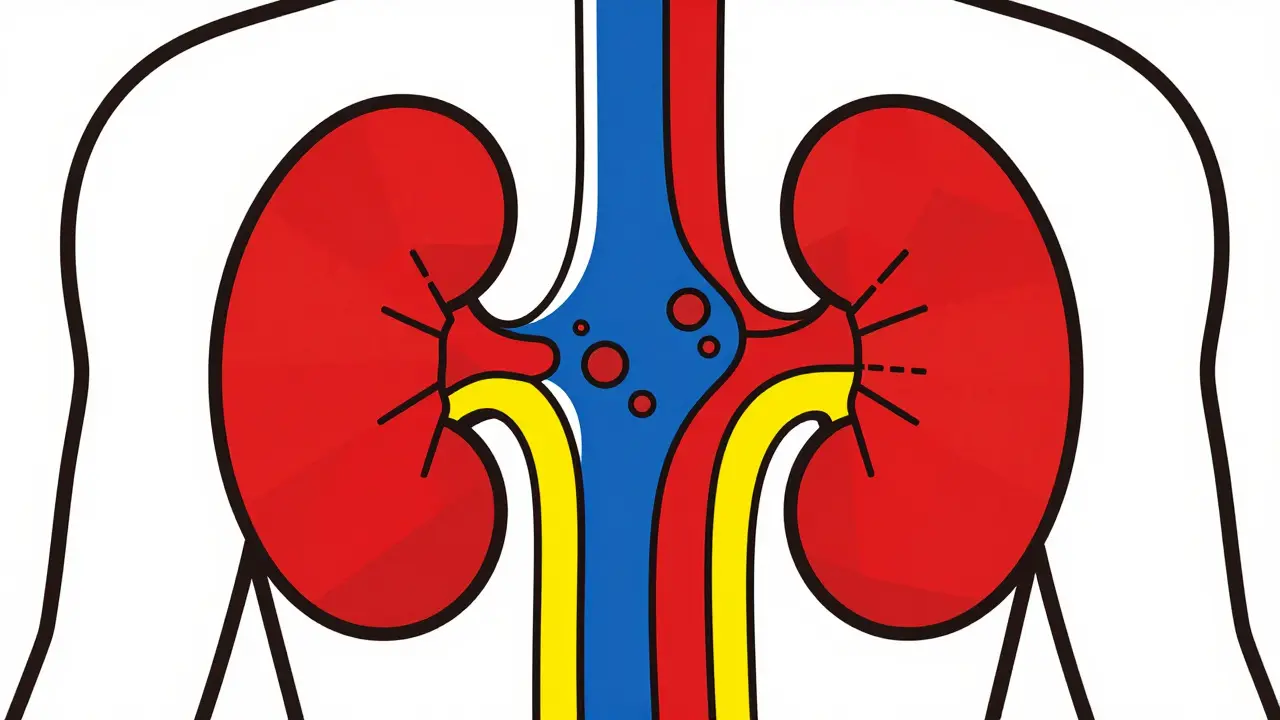
Your kidneys are your body’s filtration system. When they slow down, a silent danger creeps in: hyperkalemia, or dangerously high potassium levels. For people with chronic kidney disease (CKD), this isn’t just a lab number to watch-it is a life-threatening emergency waiting to happen. Up to half of patients with advanced CKD face this risk. Yet, many don’t realize that the very medications protecting their heart and kidneys can also spike their potassium. The good news? You have control. By mastering specific dietary limits and knowing the exact steps for emergency treatment, you can stay safe and keep your vital medicines working.
Why Potassium Builds Up in Kidney Disease
To understand hyperkalemia, you first need to understand what healthy kidneys do. They filter waste from your blood, including electrolytes like potassium. Potassium is essential; it helps your heart beat regularly and your muscles contract. Normally, your kidneys excrete excess potassium through urine. But in CKD, those filters get clogged or damaged. The potassium stays in your blood.
The problem gets worse because of modern medicine. Doctors prescribe drugs called RAAS inhibitors (like ACE inhibitors or ARBs) to protect failing kidneys and lower blood pressure. These drugs save lives by slowing kidney damage. However, a major side effect is that they tell your body to hold onto potassium. This creates a tough spot: you need the drug to save your kidneys, but the drug raises your potassium to dangerous levels. According to clinical data, nearly half of moderate-to-severe hyperkalemia events lead doctors to stop these protective drugs, which ironically increases the risk of heart attacks and further kidney failure.
Dietary Potassium Limits: What You Can Eat
Food is your first line of defense. But "low potassium" means different things depending on how far along your kidney disease has progressed. There is no one-size-fits-all rule.
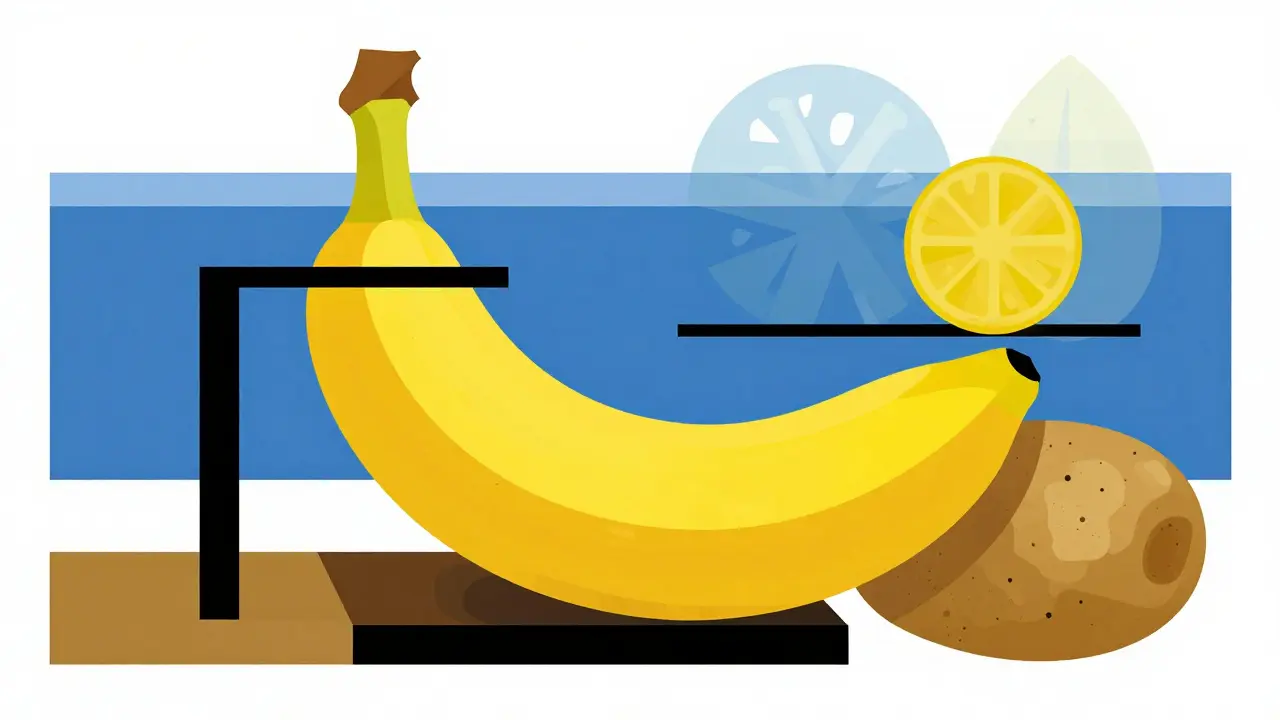
If you have mild to moderate CKD (Stages 1-3a), guidelines suggest a "prudent but not restrictive" approach. You don’t need to panic about every banana. Just avoid loading up on extremely high-potassium foods. However, if you have advanced CKD (Stages 3b-5, not yet on dialysis), the rules change drastically. You likely need to restrict intake to between 2,000 and 3,000 mg per day. That is roughly 51 to 77 millimoles (mmol). To put that in perspective, a single medium banana contains about 422 mg of potassium. A baked potato has over 400 mg. Eating both would use up more than a quarter of your daily limit before you’ve even had lunch.
| Food Item | Serving Size | Potassium (mg) |
|---|---|---|
| Banana | 1 medium | 422 |
| Baked Potato | 1 medium | 421 |
| Orange Juice | 1 cup | 496 |
| Spinach (cooked) | 1/2 cup | 166 |
| Apple | 1 medium | 195 |
| Rice (white, cooked) | 1 cup | 55 |
A pro tip from renal dietitians: leaching vegetables can help. Cutting potatoes or carrots into small pieces and soaking them in warm water for several hours before cooking can remove up to 50% of the potassium. It’s a simple trick that lets you enjoy flavors without the risk.
Emergency Treatment: When Seconds Count
Diet manages the background level, but emergencies happen. If your serum potassium hits ≥5.5 mmol/L, you need medical attention. If it reaches ≥6.0 mmol/L-especially if you feel muscle weakness, palpitations, or see changes on an ECG-you are in immediate danger of cardiac arrest.
Hospitals follow a strict protocol for these crises. It works in three stages:
- Stabilize the Heart: Doctors give calcium gluconate intravenously. This doesn’t lower potassium; it protects your heart muscle from the electrical chaos caused by high potassium. It works within minutes.
- Shift Potassium Inside Cells: Next, they administer insulin and glucose. This forces potassium out of your blood and into your cells temporarily. It lowers blood levels within 15-30 minutes. Sometimes sodium bicarbonate is added if you also have acidosis.
- Remove Potassium from the Body: Finally, you need to actually get rid of the excess. In emergencies, dialysis is the fastest way. If dialysis isn’t immediately available, doctors may use loop diuretics (if your kidneys still respond) or newer oral binders.
Remember: shifting potassium inside cells is temporary. Without removing it from your body, levels will bounce back up. That is why long-term management is crucial.
New vs. Old Medications: Managing Chronic High Potassium
For years, the only option for chronic high potassium was sodium polystyrene sulfonate (SPS). It worked poorly, caused severe constipation, and carried a rare but deadly risk of bowel necrosis. Today, we have better tools.
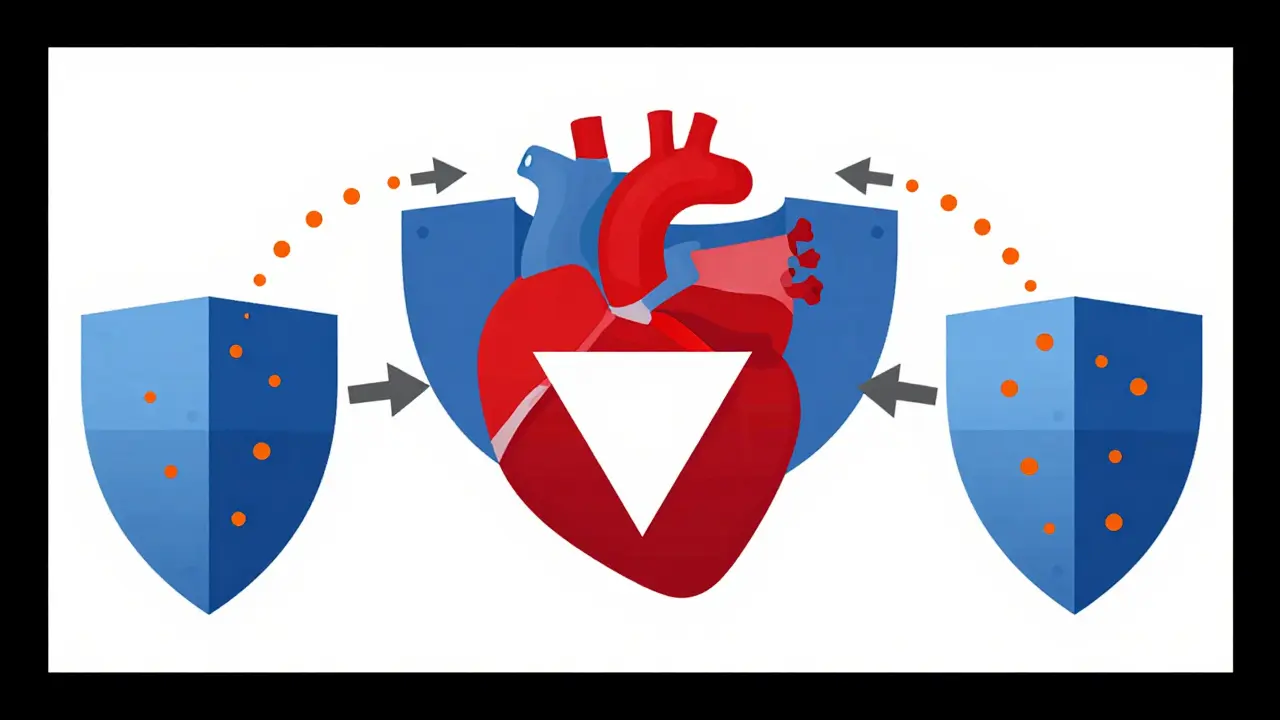
Two newer drugs have changed the game: patiromer and sodium zirconium cyclosilicate (SZC). These are potassium binders. You take them by mouth, and they trap potassium in your gut so you poop it out instead of absorbing it into your blood.
Here is how they compare:
- Patiromer: Takes 4-8 hours to work. It is sodium-neutral, meaning it won’t worsen swelling or blood pressure. It is often the go-to for long-term maintenance. However, it can cause low magnesium and constipation. Also, it interferes with other pills if taken too close together-you must wait at least 3 hours after taking thyroid medication or other drugs.
- SZC (Lokelma): Works much faster, lowering potassium within 1 hour. It is excellent for acute spikes or when you need quick relief. But it contains sodium, which can increase fluid retention. If you have heart failure, your doctor will monitor you closely for edema.
Studies show that using these binders allows 78-83% of patients to stay on their full dose of heart-protecting RAAS inhibitors. Without binders, less than 40% could maintain those doses. That is a massive difference in survival rates.
Monitoring and Daily Habits
You cannot manage what you do not measure. If you start or change any medication affecting your kidneys, you need a blood test within 1-2 weeks. Once stable, check every 3-6 months. Don’t wait for symptoms. Hyperkalemia is often silent until it causes a cardiac event.
Keep a list of all your medications. Many common drugs raise potassium: NSAIDs (like ibuprofen), certain antibiotics, and blood pressure meds. Share this list with every doctor you see. And talk to a renal dietitian. They can create a meal plan that fits your taste buds while keeping you under that 2,000-3,000 mg limit. Technology helps too-apps that scan food barcodes to estimate potassium content are becoming standard tools for adherence.
What are the symptoms of hyperkalemia?
Early on, there are often none. As levels rise, you might feel muscle weakness, fatigue, nausea, or tingling. Severe cases cause irregular heartbeat (palpitations), chest pain, or sudden collapse. Because it is often silent, regular blood tests are critical.
Can I eat bananas with CKD?
It depends on your stage. In early CKD, occasional small portions may be okay. In advanced CKD (Stage 4-5), bananas are usually restricted due to their high potassium content (~422 mg per fruit). Ask your dietitian for personalized advice.
How fast does patiromer work?
Patiromer typically takes 4 to 8 hours to significantly lower serum potassium. It is best used for chronic management rather than immediate emergency treatment.
Is sodium zirconium cyclosilicate safe for heart failure?
It requires caution. SZC adds sodium to your body, which can worsen fluid overload in heart failure patients. Doctors monitor weight and swelling closely. Patiromer is often preferred for heart failure patients due to its sodium-neutral profile.
What potassium level is considered an emergency?
A level ≥5.5 mmol/L requires medical evaluation. Levels ≥6.0 mmol/L, especially with ECG changes, are life-threatening emergencies requiring immediate hospital intervention.
Anna Bartle
July 7, 2026 AT 13:46Hey everyone! I am a renal dietitian and I just wanted to add some quick tips here because this info is super important!! First off, the leaching method for potatoes is a game changer!! You really do need to cut them into small cubes first though!! Then soak in warm water for at least two hours!! Change the water once if you can!! This removes up to half the potassium!! Also, watch out for hidden potassium in salt substitutes!! Many people don't realize that Lite Salt or NoSalt is basically pure potassium chloride!! It can spike your levels instantly!! Stick to regular sea salt or herbs instead!! And please keep taking those RAAS inhibitors if you can!! They save your heart!! Use the binders like Lokelma or Veltassa to stay on them!! Don't let high K stop you from protecting your kidneys!! Stay safe out there!!