Medication Safety for Chronic Conditions: Essential Long-Term Use Tips
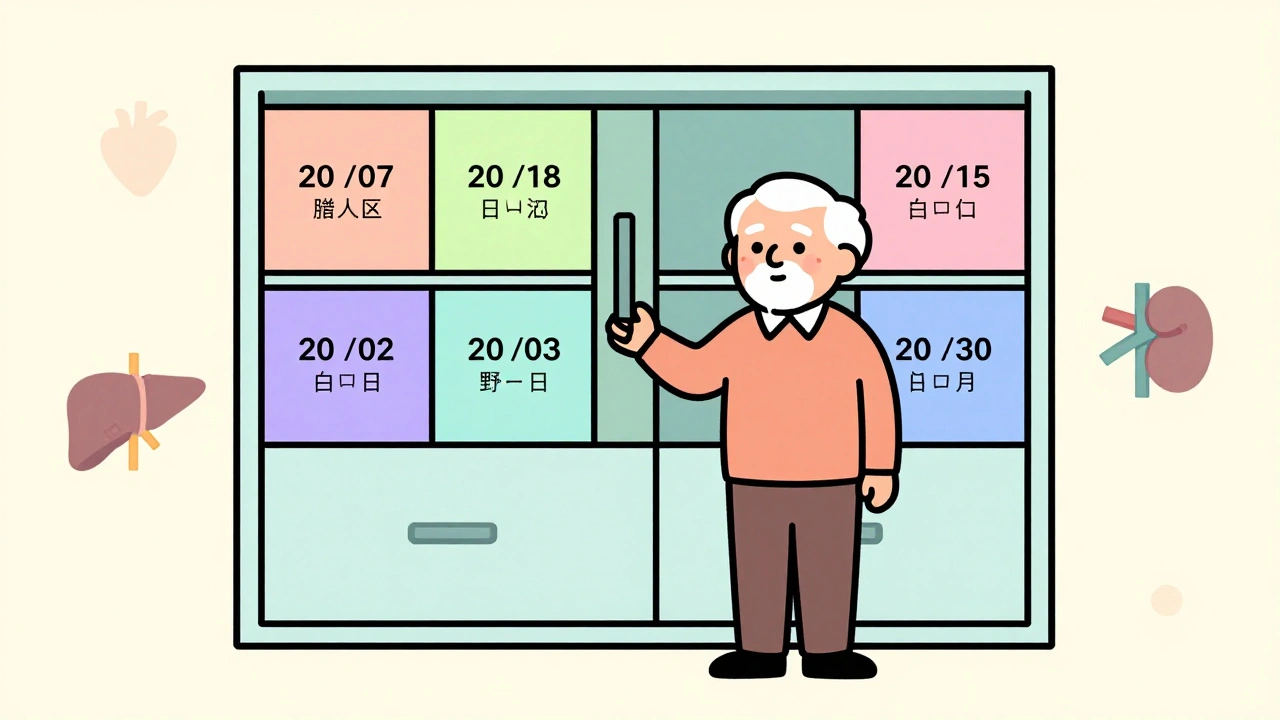
Taking medication every day for years isn’t just routine-it’s life-saving. But it’s also risky. If you’re managing diabetes, high blood pressure, arthritis, or heart disease, you’re likely on more than one drug. And the longer you take them, the more chances there are for something to go wrong. Medication safety isn’t about avoiding pills-it’s about taking them right, every time, without harm.
Why Long-Term Medication Use Is Different
Most people think taking a pill once a day is simple. But when you’re on five, six, or even ten medications over years, it becomes a full-time job. The average person over 65 with chronic conditions takes at least five prescriptions daily. That’s not unusual. That’s normal. And it’s dangerous.Each extra pill increases your risk of side effects, drug interactions, and mistakes. A common mix like aspirin and diclofenac might seem harmless-but together, they can damage your kidneys or cause stomach bleeding. Your body changes over time. Your liver and kidneys don’t process drugs the same way at 70 as they did at 40. What was safe a decade ago might now be risky.
And it’s not just about the drugs. It’s about how you take them. Skipping doses because you feel fine. Forgetting which pill is which. Running out because the cost is too high. These aren’t minor oversights. They’re the leading causes of hospitalizations in people with chronic illness.
The 7 Rights of Safe Medication Use
Healthcare professionals use a simple checklist called the 7 Rights to avoid errors. You should use it too. Here’s what to check every time you take a pill:- Right patient - Is this medicine really for you? Double-check the name on the bottle.
- Right drug - Does the pill look like it should? Don’t assume. Compare it to last month’s bottle.
- Right dose - Are you taking the exact amount your doctor ordered? No guessing.
- Right route - Is it meant to be swallowed, applied to the skin, or inhaled? Don’t crush pills unless told to.
- Right time - Are you taking it with food? At night? Every 8 hours? Timing matters.
- Right documentation - Did you write down when you took it? Use a log or app.
- Right response - Are you noticing new side effects? Dizziness? Swelling? Nausea? Report them immediately.
This isn’t just for nurses. It’s your personal safety system. Keep this list taped to your medicine cabinet.
Keep a Living Medication List
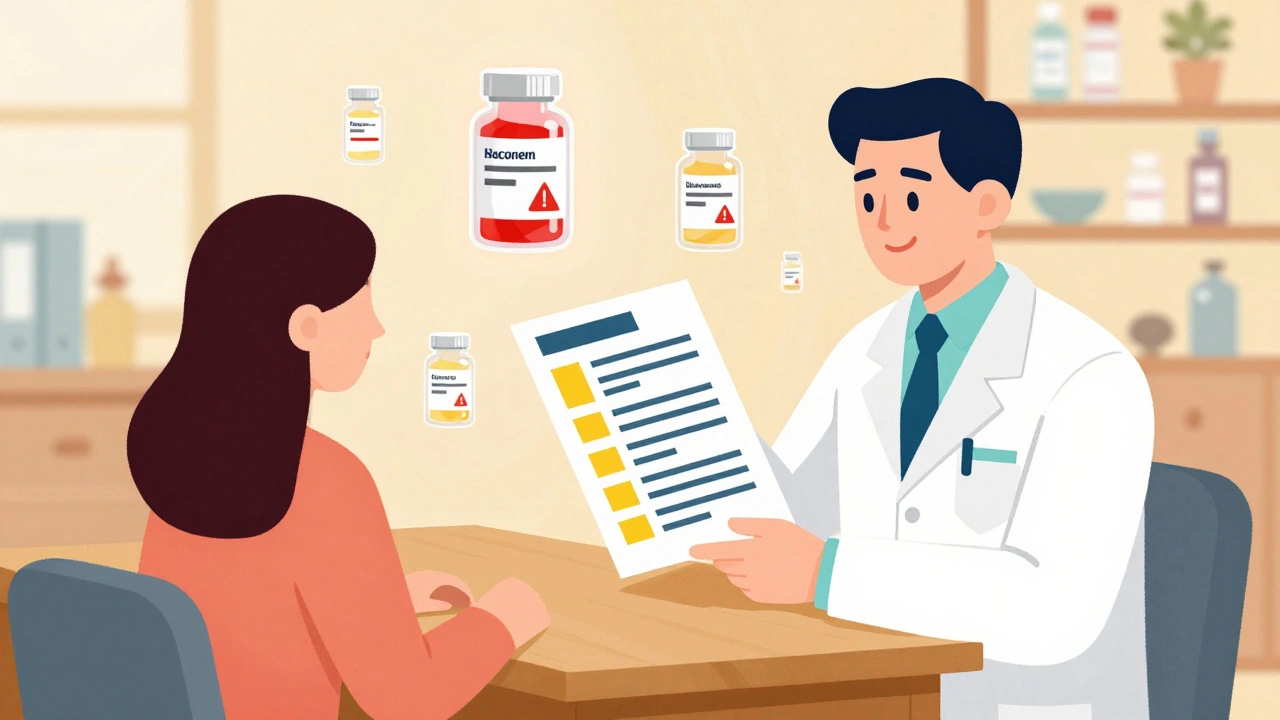
Your doctor doesn’t know everything you’re taking. Not every specialist writes down every prescription. Not every pharmacy shares records. That’s why you need your own updated list.Write down:
- Drug name (brand and generic)
- Dose (e.g., 10 mg, 500 mg)
- How often (once daily, twice a week, etc.)
- Why you’re taking it (e.g., “for blood pressure,” “for joint pain”)
- When you started
- Any side effects you’ve noticed
Update it every time your prescription changes. Keep a printed copy in your wallet. Save a digital version on your phone. Show it to every doctor, pharmacist, or ER nurse you see-even if you think they already know.
Studies show that 67% of medication errors happen during care transitions-like when you leave the hospital or switch doctors. A clear, current list cuts that risk in half.
Watch Out for Polypharmacy
Polypharmacy means taking five or more medications at once. It’s common. It’s also a red flag.Research shows that people on five or more drugs are more likely to:
- Fall or lose balance
- Feel confused or forgetful
- Be hospitalized
- Die prematurely
It’s not always the drugs themselves. It’s the clutter. Too many pills, too many schedules, too many side effects. Your body gets overwhelmed.
Ask your doctor this: “Is every pill here still necessary?” Don’t be afraid to say, “I’m taking too many things. Can we cut some?”
The American Geriatrics Society says: Never add a new medication without reviewing your whole list. That review should happen at least once a year-or anytime you see a new specialist.
Use Tools to Stay on Track
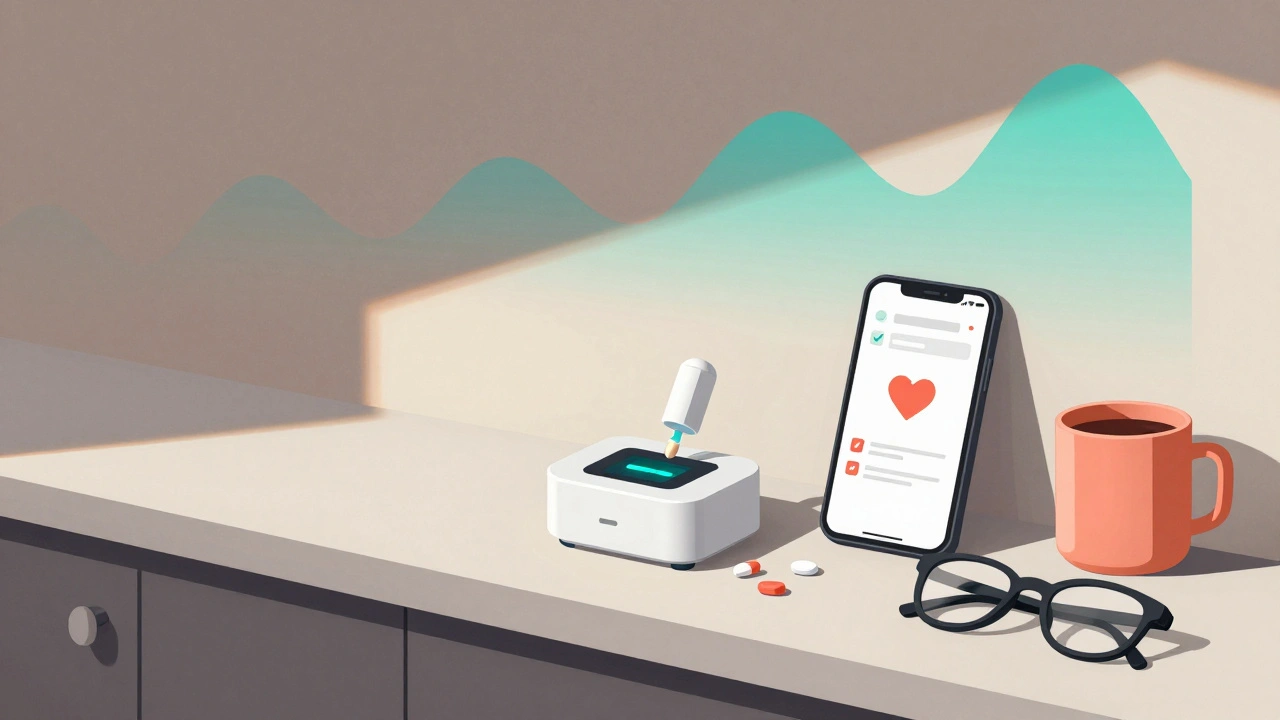
Memory fails. Life gets busy. That’s why tools matter.- Pill organizers - Weekly or monthly boxes with labeled compartments. Buy ones with alarms.
- Medication apps - Apps like Medisafe or MyTherapy send reminders and track doses. Some even alert your pharmacist if you miss a dose.
- Automated dispensers - Devices that unlock and dispense pills at set times. Great for people with memory issues.
- Barcode scanning - Some pharmacies now scan your pill bottle at pickup to check for dangerous interactions. Ask if your pharmacy offers this.
One study found that using these tools improved adherence by 20-30%. That’s not small. That’s the difference between staying out of the hospital and ending up there.
Don’t Ignore Side Effects
You might think dizziness or fatigue is just “getting older.” It’s not. It could be your medication.Common signs of a bad reaction:
- New confusion or memory lapses
- Unexplained bruising or bleeding
- Swelling in feet or ankles
- Stomach pain, nausea, or black stools
- Skin rash or itching
- Muscle weakness or cramps
Don’t wait for your next appointment. Call your doctor or pharmacist the same day you notice something new. Many side effects can be fixed by adjusting the dose, switching the drug, or adding a protective medication.
And if you’re on opioids for chronic pain? Annual drug monitoring is now standard. That means your doctor should check your records every year to make sure you’re not at risk for overdose or dependence.
Ask Questions-No Shame
Too many people stay silent because they don’t want to seem difficult. But asking questions saves lives.Here are five questions to ask at every visit:
- What is this medicine for?
- What happens if I don’t take it?
- What side effects should I watch for?
- Is there a cheaper or simpler option?
- Can we review all my meds together?
Patients who ask these questions are 40% more likely to stick with their treatment. They’re also less likely to have bad reactions.
You’re not being pushy. You’re being smart.
Cost Shouldn’t Stop You
One in four people skip doses because they can’t afford their meds. That’s not just a problem-it’s a crisis.Here’s what to do:
- Ask your doctor for generic versions-they’re just as effective and often 80% cheaper.
- Use mail-order pharmacies for 90-day supplies-they usually cost less per pill.
- Check if your drug has a patient assistance program. Most big pharma companies offer free or low-cost meds to qualifying patients.
- Ask your pharmacist about discount cards (like GoodRx). They can save you hundreds a year.
Medication non-adherence due to cost costs the U.S. healthcare system over $100 billion a year-and leads to 125,000 preventable deaths. You’re not alone. But you don’t have to suffer silently.
Team Up With Your Pharmacist
Your pharmacist is your medication expert. Not your doctor. Not your nurse. Them.Pharmacists see your full history. They know what drugs clash. They spot duplicate prescriptions. They can tell you if a new pill might make your existing ones less effective.
Ask your pharmacist for a free medication review every six months. Bring your list. Ask: “Is this still safe with everything else I’m taking?”
Studies show that patients who get pharmacist-led reviews have 15% fewer hospital visits and 20% better adherence. That’s real impact.
What If You’re Still Struggling?
If you’re still missing doses, feeling overwhelmed, or scared of side effects, you’re not failing. The system is complicated.Look for a Medication Therapy Management (MTM) program. These are free services offered through Medicare Part D and many private insurers. A pharmacist sits down with you, reviews every pill, and creates a simple plan.
Or ask your doctor about a patient-centered medical home. These clinics use teams-doctors, nurses, pharmacists, social workers-to coordinate your care. One study showed patients in these programs had 89% adherence after a year. Standard care? Only 74%.
You don’t have to manage this alone. Help is available.
Final Thought: Safety Is a Habit
Medication safety isn’t a one-time task. It’s daily. It’s weekly. It’s yearly. It’s checking your list. Asking questions. Not ignoring dizziness. Calling when something feels off.People with chronic conditions live longer now than ever before. But only if they take their meds right. Not perfectly. Just consistently. Safely.
You’ve already taken the hardest step-you’re still here. Now make sure your medicines are helping, not hurting.
What should I do if I miss a dose of my chronic medication?
Don’t double up unless your doctor says so. Check the label or call your pharmacist. For most drugs, if it’s been less than a few hours since you missed it, take it now. If it’s close to your next dose, skip it and resume your regular schedule. Never guess-always ask.
Can I stop a medication if I feel better?
No. Many chronic medications-like those for blood pressure or cholesterol-work even when you feel fine. Stopping them suddenly can cause rebound effects: spikes in blood pressure, heart attacks, or strokes. Always talk to your doctor before stopping anything.
How often should I get my medications reviewed?
At least once a year. But if you’ve seen a new specialist, started a new drug, or had a hospital stay, get a full review right away. Many people don’t realize their medications have changed until something goes wrong.
Are over-the-counter drugs safe to take with my prescriptions?
Not always. Common OTC meds like ibuprofen, antacids, or sleep aids can interact with blood thinners, heart meds, or diabetes drugs. Always check with your pharmacist before taking anything new-even if it’s sold without a prescription.
What’s the biggest mistake people make with long-term meds?
Assuming nothing’s wrong because they feel okay. Side effects are often silent. Dizziness, confusion, or fatigue might seem like aging-but they could be your meds. The biggest risk isn’t forgetting a pill. It’s ignoring the warning signs.
Can technology really help me take my meds correctly?
Yes. Apps that remind you, pill dispensers that unlock at the right time, and barcode systems that flag dangerous combinations reduce errors by up to 55%. If you’re struggling to remember, ask your pharmacist about free or low-cost tools. You don’t have to rely on memory alone.
Elizabeth Crutchfield
December 5, 2025 AT 04:34i just forget half the time lol
Karl Barrett
December 5, 2025 AT 11:03Let’s be real-polypharmacy isn’t just a clinical term, it’s a systemic failure. We’re treating symptoms like puzzle pieces instead of diagnosing the whole damn board. The body isn’t a pharmacokinetic sandbox. When you stack five antihypertensives, three NSAIDs, and a benzo because ‘it’s just how it is,’ you’re not managing disease-you’re engineering iatrogenic chaos. The 7 Rights? Good start. But what about the 8th right: Right to ask ‘Why am I still on this?’ That’s the real audit we never do.
Pharmacists are the unsung heroes here. They see the drug interactions before the EHR even syncs. Yet we treat them like pill dispensers, not clinical arbiters. A medication review every six months should be mandatory, not optional. And if your doctor won’t do it, find one who will. Your liver doesn’t care about your insurance network.
And let’s not romanticize ‘adherence.’ It’s not about willpower. It’s about design. If your regimen requires 17 pills at 5 different times with 3 different food rules, you’re not failing-you’re being set up to fail. Simplification isn’t laziness. It’s precision medicine.
OTC meds? Everyone thinks ‘natural’ means ‘safe.’ But turmeric with warfarin? That’s a bleeding risk with a yoga mat. Ibuprofen with an ACE inhibitor? Renal catastrophe waiting for a Tuesday. Your pharmacist isn’t judging you-they’re your last line of defense.
The real tragedy? We wait until someone ends up in the ER with a GI bleed from a cocktail of NSAIDs and SSRIs before we ask: ‘Who approved this?’ Not the patient. Not the pharmacist. The system.
Stop glorifying ‘sticking with it.’ Start demanding ‘sticking with the right stuff.’
Jake Deeds
December 6, 2025 AT 16:26Oh wow, another one of those ‘just ask your doctor’ essays. So helpful. Of course I’m just going to walk into my 10-minute appointment with a 17-pill list and say ‘Hey, can we cut this down?’ Like my doctor has time to care. Or knows what half these meds even do. I mean, I’m sure they’re great people, but they’re also just as overwhelmed as I am. And don’t get me started on the cost. I had to choose between my insulin and my rent last month. Thanks for the checklist, but the real problem is capitalism.
George Graham
December 8, 2025 AT 14:37I’ve been managing hypertension and diabetes for 12 years now. The biggest shift for me wasn’t the apps or the pill boxes-it was finding a pharmacist who actually remembered my name. She started doing monthly check-ins over the phone. No judgment. Just: ‘How’s your sleep?’ ‘Any dizziness?’ ‘Did you run out of metformin again?’ That human connection made me feel seen, not just coded in a chart. I started taking everything on time. Not because I was scared of side effects-but because I didn’t want to let her down. Sometimes, safety isn’t about systems. It’s about someone who cares enough to ask.
John Filby
December 9, 2025 AT 20:51OMG YES to the pill organizers!! I got one with the alarm and it changed my life 😊 I used to mix up my amlodipine and lisinopril-scary stuff. Now I just look at the box and it’s like ‘oh right, blue one at 8am’. Also, GoodRx saved me $120/month on my statin. Like, who knew? Pharmacies are wild. And yes, I text my pharmacist when I’m confused. They never judge. 👍
Ben Choy
December 11, 2025 AT 04:12This is so important. I’ve seen too many elderly relatives crash because they thought ‘if I feel fine, I don’t need it.’ Nope. Blood pressure meds don’t make you feel good-they stop you from dying quietly. And don’t even get me started on people stopping their statins because they heard ‘it causes diabetes.’ Yeah, and not taking it causes heart attacks. Priorities, people. You’ve got this. One pill at a time. 💪
Emmanuel Peter
December 12, 2025 AT 20:23Let’s be brutally honest: 90% of people on long-term meds are just winging it. They don’t know the names, the doses, the interactions. They Google ‘side effects of metoprolol’ at 2am and panic. Then they skip doses because they’re ‘scared.’ You’re not a patient-you’re a liability. Your doctor’s EHR isn’t magic. It’s a mess. And if you’re not tracking your meds like your life depends on it-because it does-you’re putting everyone at risk. Get a spreadsheet. Use an app. Stop being passive. This isn’t a suggestion. It’s survival.
Ollie Newland
December 14, 2025 AT 16:32Polypharmacy’s the silent killer no one talks about. I had a mate in Manchester on 11 meds-anticoagulant, beta-blocker, SSRI, gabapentin, omeprazole, statin, diuretic, calcium, vitamin D, aspirin, and a ‘for sleep’ benzo. He was confused all the time. Fell twice. Doctor kept adding meds for the side effects. Classic iatrogenic spiral. Got him on a pharmacist review. Cut three. Replaced two with non-pharm options. He’s walking again. No magic. Just someone who asked: ‘What are we even trying to fix here?’
Carolyn Ford
December 16, 2025 AT 07:48...and yet, you didn’t mention the elephant in the room: pharmaceutical marketing. Every single one of these ‘safe’ meds was pushed by reps, sponsored guidelines, and ghostwritten studies. You’re telling people to trust their pharmacist-but pharmacists are paid by the same corporations that profit from polypharmacy. You’re not solving the problem. You’re just giving people better tools to survive a rigged system. And you call this ‘safety’? It’s a placebo for guilt.
Heidi Thomas
December 17, 2025 AT 04:16Just take your meds or don’t. Stop making it a whole thing. If you can’t remember five pills a day you’re not sick you’re lazy. Apps exist. Alarms exist. You’re not special. Stop asking for handouts. Also stop taking OTC crap. If you’re on blood thinners and taking ibuprofen you deserve what you get. No one cares about your ‘side effects’ unless you’re dying. Which you’re not. Just take the damn pills.
Alex Piddington
December 17, 2025 AT 20:28Thank you for this comprehensive guide. I’ve shared this with my patients in the VA clinic. The 7 Rights framework is foundational, but I’ve added an 8th: Right to dignity. Managing chronic illness isn’t just about compliance-it’s about preserving autonomy. When we reduce patients to pill-counting machines, we strip away their humanity. Tools matter. But so does listening. If someone skips a dose because they’re ashamed of their weight, or afraid of their partner, or grieving their spouse-we need to see that. Medication safety isn’t just clinical. It’s ethical.
Benjamin Sedler
December 18, 2025 AT 07:11Okay but what if you’re on 14 meds and your doctor is a robot who only talks in CPT codes? And your pharmacy won’t refill unless you pay $200 out of pocket? And your insurance says ‘no prior auth for generic’ even though the generic is literally the same pill? You want me to ‘ask questions’? Bro, I asked 17 times. They said ‘we’re out of stock’ then ‘we can’t process’ then ‘call back next Tuesday.’ Meanwhile I’m dizzy and my kidneys are screaming. This article is great. But the system? It’s broken. And you’re just handing out bandaids to a hemorrhage.
Jordan Wall
December 19, 2025 AT 19:38Love the 7 Rights but u forgot the 8th: Right to not be treated like a walking pharmacy. I mean seriously, I’m 58 and I have to remember 11 pills with different times, food rules, and warnings? My brain’s not a database. And why is it always MY responsibility to track interactions? Why can’t the system just… connect? My GP, my cardiologist, my rheum, my pharmacist-why do they all have different lists? It’s chaos. And the apps? They’re great but I need one that auto-updates from my prescriptions. Not a ‘manual log’ thing. I’m not a nurse. I’m a person trying not to die.
Shofner Lehto
December 21, 2025 AT 16:14This is the most important post I’ve read in years. I’ve been a caregiver for my mother with Alzheimer’s and heart failure. She was on 13 medications. We didn’t know half of them were for symptoms caused by other meds. A pharmacist did a full review. Cut 5. Added one for constipation caused by the opioids. She stopped falling. Started eating again. We didn’t need more drugs-we needed less clutter. This isn’t about discipline. It’s about clarity. And it’s available. Ask for MTM. It’s free. Just ask.
Karl Barrett
December 22, 2025 AT 11:31Replying to @5600: You’re right. The system is rigged. But the checklist? It’s still yours. Even if the doctor won’t listen, write down your meds. Bring it to the ER. Show it to the pharmacist. You’re not powerless-you’re just in a broken machine. But you’re the only one who can keep the gears from grinding to a halt. Keep your list. Keep asking. Even if they roll their eyes. Someone, someday, will see it. And it might save your life.